
Tag: outrage economy
-

How the CBS–CECOT Story Exposed the Outrage Machine
The most revealing part of the CBS–CECOT controversy wasn’t that a segment was postponed—it was the public reaction to an internal editor refusing to soften language. When accuracy itself becomes unacceptable, journalism is no longer judged by truth, but by how efficiently it produces outrage.
-

How “Dying Children” Became a Political Weapon — And Why the Whooping Cough Narrative Is False
The claim that today’s whooping cough spike was “caused by the current administration” collapses instantly under historical data. The same surges happened in 2004, 2010, 2012, and 2014 — under completely different leadership.
-
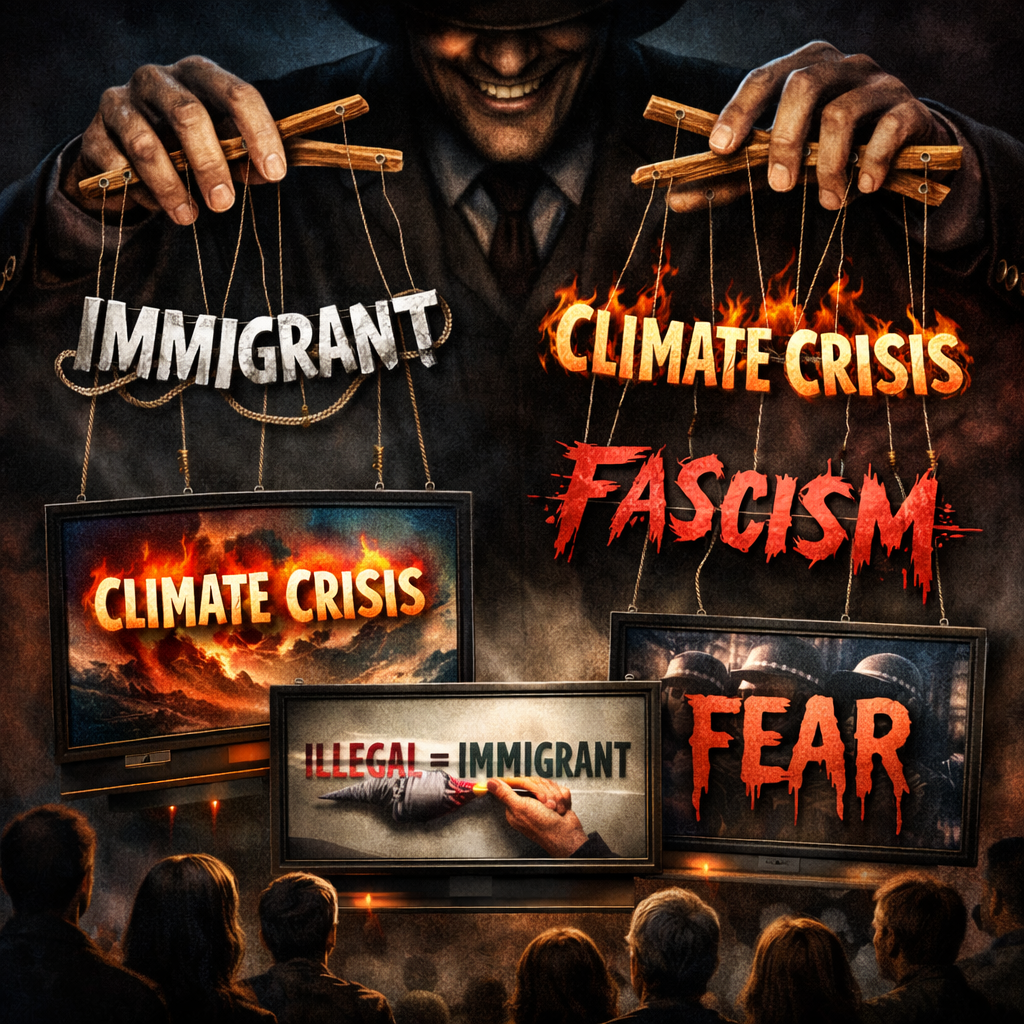
The Language War: How Words Are Being Weaponized to Manufacture Fear
Outrage doesn’t start with facts. It starts with words carefully chosen to trigger fear, tribe, and emotion. When ideology runs out of arguments, it attacks language instead.
-

The Day the Outrage Machine Stalled
I watched sympathy dominate social media after Rob Reiner’s death. No cheering. No tribal warfare. For a moment, humanity won. Then the outrage engine was restarted — right on schedule.
-

Before We Even Knew the Facts, the Headline Decided Who Deserved Our Sympathy
Why do some tragic deaths arrive with ideological warnings in the headline — while others arrive simply as tragedies? That question matters more than which “side” you’re on.
-

Brown University – How Outrage Media Turns Tragedy Into Tribal Fuel
In the aftermath of the Brown University tragedy, facts lag while narratives race ahead. This piece isn’t about policy—it’s about how outrage replaces reflection, and why rejecting de-escalation keeps us trapped in the same cycle.
-

When Did Opinions Stop Being Allowed?
We used to say “this is what I think.” Now people say “these are the facts” and “this is reality.” Disagree—and you’re either lying or crazy. That language shift is quietly destroying conversation. My latest article breaks this down.
-
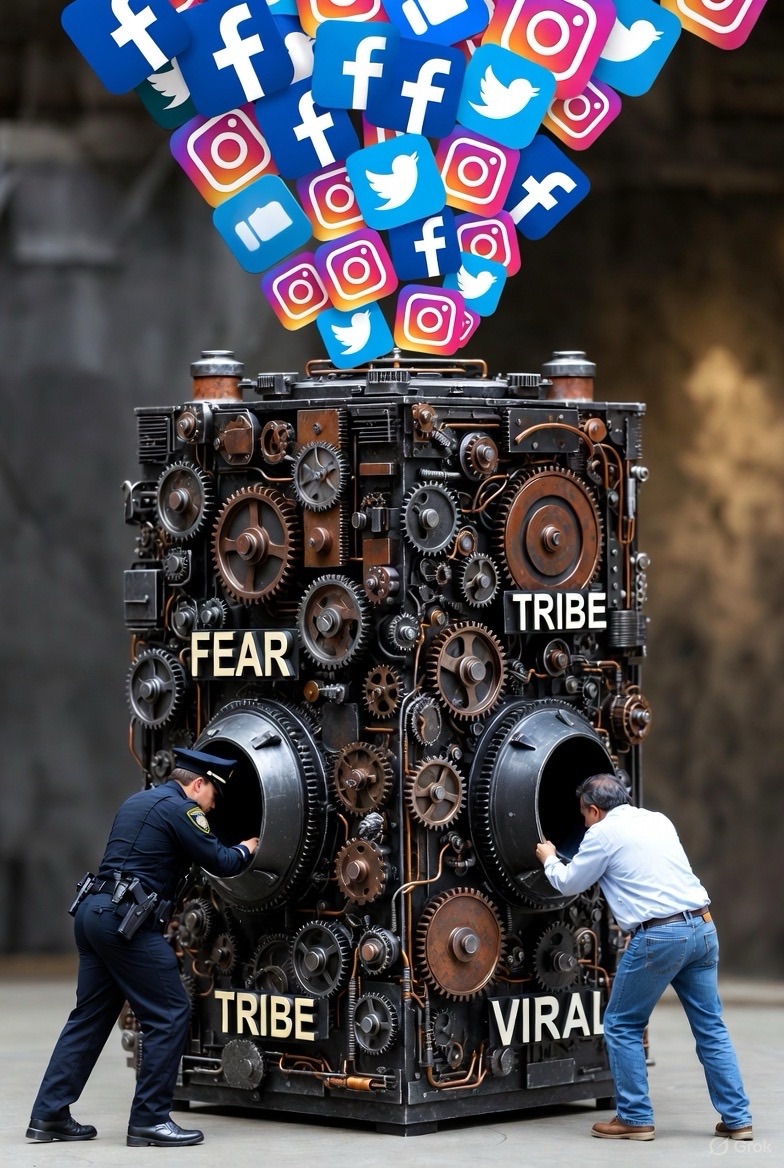
How We Invented the Art of Non-Compliance—and Then Blamed the Cops
Hot take: You can’t treat police like hostile invaders and assume escalating a situation will end peacefully. My latest article looks at how both sides fuel the outrage machine.
-
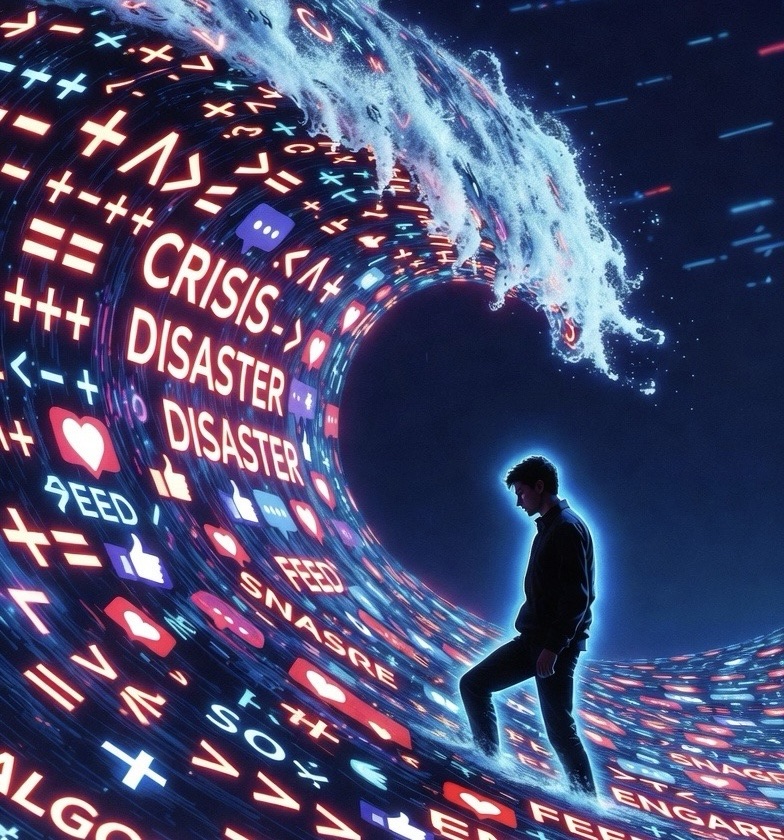
When Policy Changes, Watch the Language: A Calm Look at the Hep B Decision and the Outrage Machine Around It
The real crisis isn’t ACIP’s Hep B ruling—it’s how fast weaponized language can turn a routine policy update into a doomsday prophecy. Before you panic, look at who benefits from your fear.
-

The Ancient Instinct That Broke Modern Society: How Peer Group Acceptance Became a Weapon
For millions of years, belonging kept us alive. Today, that same instinct is being weaponized to make us hate each other—and forget the community right outside our front door.