
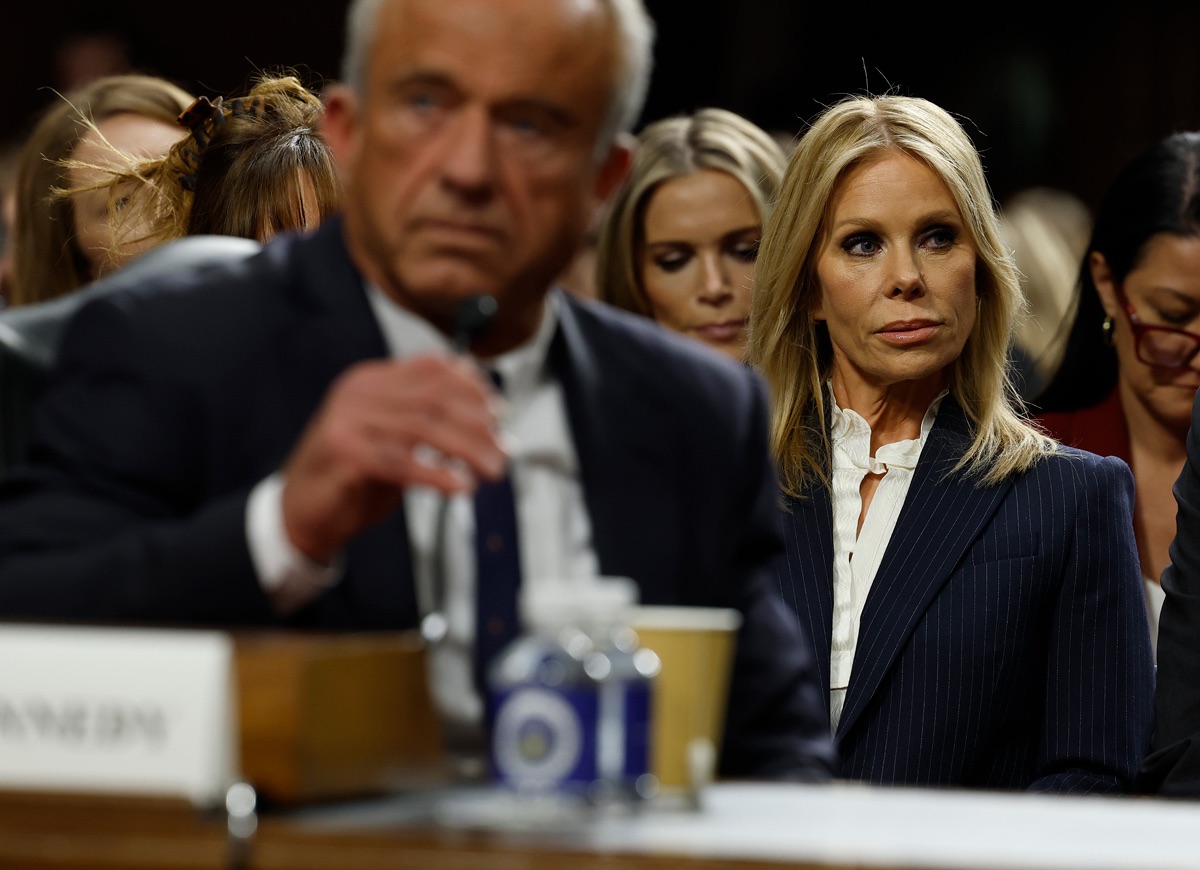
Actress Cheryl Hines, wife of Robert F. Kennedy Jr., recently appeared on Bill Maher’s “Club Random” podcast and made a shockingly mild observation — that Republicans were kind and Democrats had grown meaner and more ideologically rigid. That’s it. That’s the quote.
And like clockwork, the machine spun up. The article itself admits it: “The comments elicited divided social media responses.” As if that were a surprise. As if division wasn’t the very point of the entire ecosystem.
It’s almost funny — the story isn’t about her words; it’s about the reaction to her words. Because that’s how modern media works: the content is irrelevant, the engagement is the story. The outrage is the product.
Hines didn’t accuse anyone of crimes or start a culture war; she simply said people on one side of the aisle had been nicer to her family. In a sane world, this would barely qualify as small talk at a dinner party. But in the age of outrage, kindness itself is a political statement.
We’ve reached the absurd point where civility is suspicious. If you say something nice about “the other side,” your own tribe treats it as betrayal. That’s how deep the conditioning runs. It’s not about politics anymore — it’s about identity defense. The media doesn’t sell information; it sells protection from the other team.
It’s all theater, perfectly scripted. A well-known figure makes a comment that humanizes one group. The algorithm surfaces it. The article quotes “divided social media responses.” The replies fill with venom. Each side feels attacked. And the machine eats.
The most tragic part? Cheryl Hines was describing the very phenomenon that her comment proved to exist. She said one group was becoming meaner — and instantly, that group became meaner. It’s the snake eating its tail, broadcast live on every platform.
Meanwhile, the real conversations that matter — about how we’re manipulated, distracted, and divided by profit incentives — never happen. Because kindness doesn’t sell. Outrage does.
Maybe that’s why it’s so rare.
Leave a Reply