
A “Don’t Be a Click” Perspective
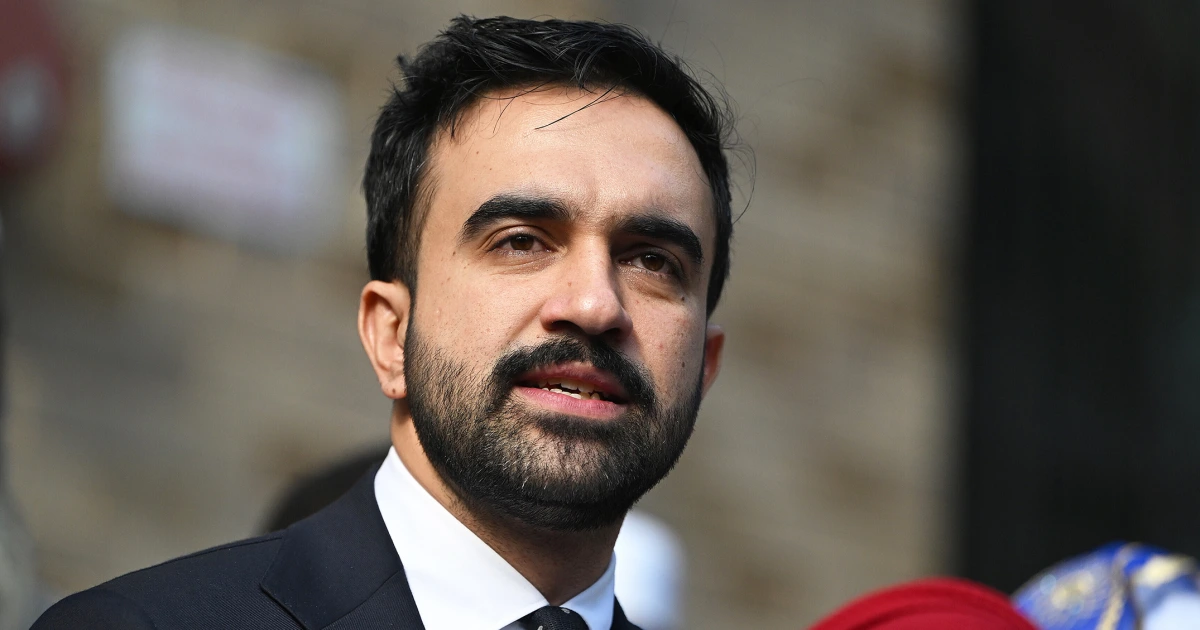
Today marks a turning-point in New York City politics: 34-year-old Zohran Mamdani has been elected mayor of the city.
This isn’t just a local story. It’s a perfect case-study of how our media and political systems manufacture victories, construct outrage, and in so doing keep the real levers of power safely hidden.
Here’s what’s happening, what it predicts — and how you can stay awake instead of getting played.
1. What Mamdani’s Win Really Means
On paper, the win is historic in multiple dimensions:
- Mamdani becomes the first Muslim and South Asian mayor of New York City.
- He ran on a visibly progressive platform: free buses, rent freezes, city-owned grocery stores, heavy tax on the wealthy.
- He defeated the political establishment (former governor Andrew Cuomo) in the Democratic primary and then went on to win the general.
At face value: a shift. A rising new class. A fresh message.
2. But What the Outrage Machine Sees (and How It Works)
Here’s where the system flexes its muscle. The victory doesn’t just stand alone — it becomes fuel. Fuel for both-sided outrage. The steps go like this:
A. Manufacture the threat:
Already, on the right you see Mamdani labelled a “communist lunatic” and attacked for being Muslim.
Right-wing outlets and personalities will frame this win as proof of alarm: the system has gone left, the gates are open to radicals. This fuels fear, division, urgency.
B. Manufacture the betrayal:
On the left you’ll see criticism too: “He’s a sell-out,” “He said progressive things but will run moderate,” “Why trust him?” Already some establishment Democrats are cautious.
This fuels cynicism, division, withdrawal.
C. Keep attention away from real power structures:
While the outrage machine is busy chopping at the surface — religion, ideology, identity — the deeper levers of infrastructure, money, media remain untouched.
Whether you call it “radical left mayor” or “betrayal of the base,” the result is the same: we argue about him, not about the system he may or may not change.
D. Repeat & escalate:
In a few months someone else wins or loses. The pattern resets. Outrage stays profitable. The machine thrives.
3. What to Watch For
If you’re tuned into the system rather than just the spectacle, here are clues you’ll see in the months ahead:
- Selective coverage: Stories about Mamdani’s identity (Muslim, South Asian) will get outsized airtime vs. stories of how he implements his policies.
- Narrative frames: On the right, expect language like “socialist takeover,” “New York in decline.” On the left, expect “compromiser,” “establishment co-option.”
- Symbol over substance: Free buses, city-owned groceries — these become battle slogans (for or against) more than practical policy discussions.
- Distraction from structural players: Billionaires, media networks, special interest groups — they’ll stay mostly behind the scenes while public focus zeroes in on the mayor.
- Normalized outrage: Each side will trade outrage, and each outrage will demand your attention, which is what the system sells.
4. How to Stay Awake (and Not Be a Click)
Rather than being swept into the fight-stage set by others, you can choose a different posture:
- Ask: “What’s the system beyond the person?” Instead of “Is Mamdani good or bad?” ask “What structures enabled his win? Which remain untouched?”
- Focus on policy and power, not only identity: The “first Muslim mayor” story is compelling — but what matters is whether his platform translates into structural change.
- Observe your own reaction: Are you triggered to cheer? To fear? Why? The system counts on those emotional spikes. Pause before you click.
- Track who stays hidden: If media continues to talk mostly about Mamdani as a person and less about the donors, networks, institutional practices, that is a signal.
- Hold people to action not just symbolism: A win is not the same as change. Promises matter, but outcomes matter more. Follow through.
5. Why It Matters to You
You might ask: “I don’t live in New York. Why care?” Because this pattern replicates everywhere: local races, national media, social feeds. The playbook is the same.
- Outrage drives attention → attention drives profit → profit preserves power.
- The winner versus loser narrative keeps you in one of two camps, rather than thinking independently.
- Real change tends to happen in the shadows (in infrastructure, policy, enforcement) while the spotlight shifts.
By understanding how the outrage machine works — both left and right — you reclaim the ability to choose your focus, not have it chosen for you.
Conclusion
Zohran Mamdani’s win is historic — no doubt. But the deeper story lies in what happens next: how much the system will let change happen, and how much it will let you believe you’re watching change when you’re actually watching a familiar machine running in a new logo.
Keep your eyes open. Don’t drift into the fight they’ve drafted for you.
#DontBeAClick
Leave a Reply