
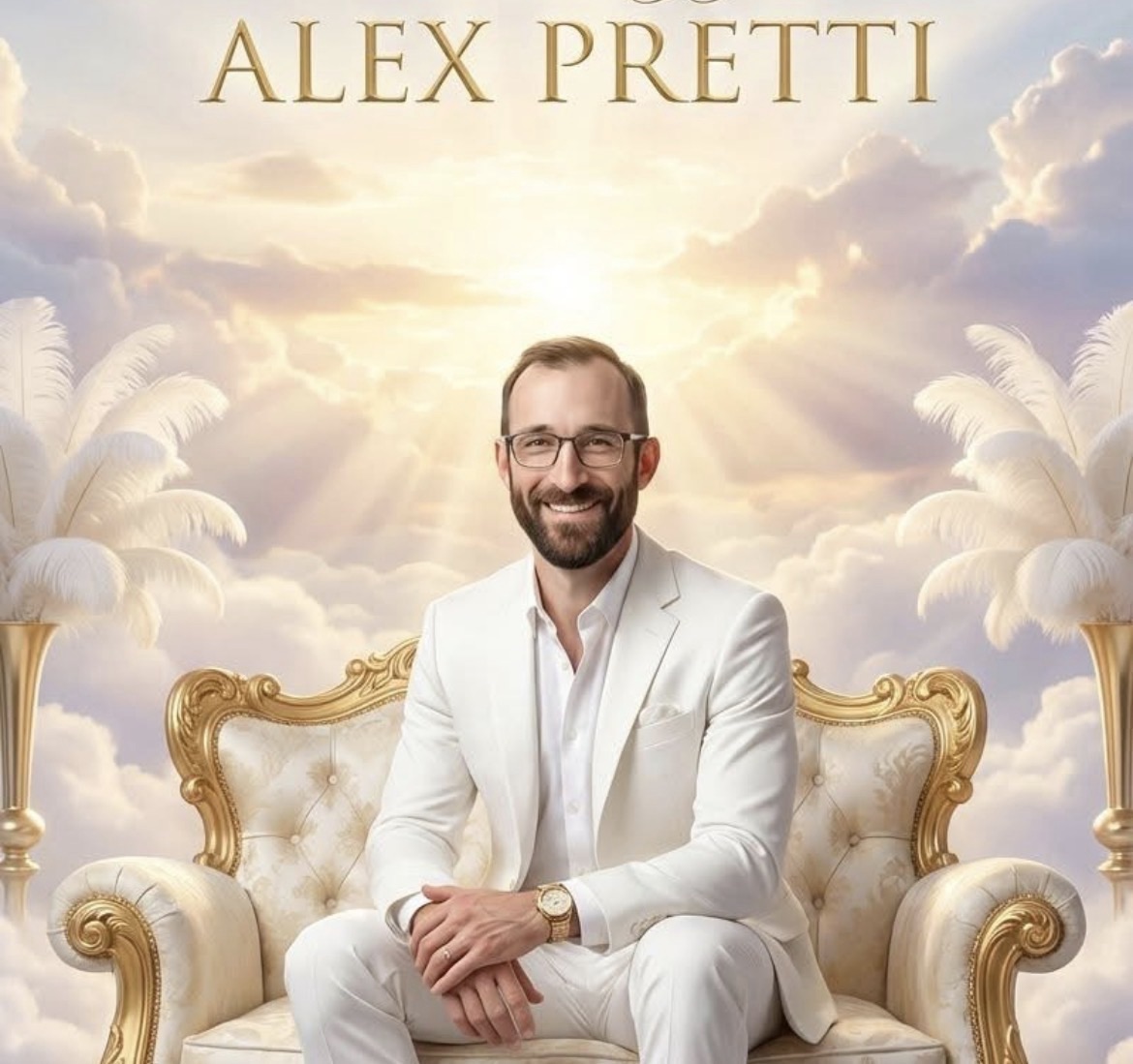
How the media’s instant sanctification of Alex Pretti made the streets more dangerous
The moment Alex Pretti was killed, the media did what it now does on autopilot.
It sanctified.
Within hours, the canvas was filled: peaceful, angelic, saintly, minding his own business, ICU nurse, cared about others. The framing was emotionally complete before any serious investigation into the man, his behavior, or the events leading up to the shooting had even begun.
This is not journalism. This is Clockwork.
And Clockwork makes society less safe.
The Media Didn’t Report — It Cast
The public wasn’t informed. It was cast into a role.
Pretti wasn’t presented as a complex human being who entered a volatile enforcement environment. He was presented as an icon — a passive saint acted upon by an inherently malignant force. The story was emotionally locked before the first careful question could be asked.
This is what I mean when I say society is being Floyded.
It’s the same machinery used in 2020, redeployed like Clockwork without reflection:
Immediate moral elevation – Removal of agency – Erasure of upstream context – Total focus on a single, explosive moment
Once that frame is set, facts don’t correct it — they polarize it.
The Evidence the Media Didn’t Want
As additional footage emerged showing an earlier confrontation between Pretti and federal agents — footage indicating violent, aggressive behavior and escalation days before the fatal shooting — the response from much of the media was not reassessment.
It was avoidance.
Why?
Because the narrative had already done its work.
Admitting complexity now doesn’t reduce outrage. It intensifies it. Once an audience has emotionally bonded with a sanctified victim, contradictory evidence is interpreted as an attack, not information.
That is the danger zone — and the media knows it.
Why This Makes the Streets More Dangerous
Here is the consequence the media refuses to own:
When you portray someone who confronts armed federal agents as a peaceful, incidental bystander — you normalize entering danger.
You tell the next person:
This is safe. This is righteous. This is how heroes behave.
You do not need to explicitly tell people to “get in the streets.” The implication is enough.
This framing recruits behavior.
It teaches escalation by example, while insulating the storyteller from the fallout.
The Point of No Return
Here is the part no one wants to say out loud:
It is now too late to reverse the damage.
Once a narrative is emotionally locked:
New evidence doesn’t calm – Corrections don’t persuade – Context doesn’t de-escalate
It enrages.
People already activated by the story will not hear nuance. They will hear betrayal. They will double down. And every subsequent confrontation will be filtered through that same moral certainty.
The media understands this dynamic better than anyone — because it profits from it.
Violence Is the Yield
The end result is always the same:
More confrontations – More martyrs – More footage – More outrage – More clicks
The media doesn’t have to intend this outcome for it to be the outcome. Incentives do the work.
Every time a death is turned into a moral weapon without investigation, society inches closer to the next irreversible moment — and the cycle tightens.
This Was Preventable — And That’s the Indictment
No one is arguing that Pretti deserved to die. No one is excusing state violence.
What is being argued — forcefully — is that journalism has an obligation not to pour accelerant on a volatile situation before it understands it.
The media failed that obligation here.
It chose speed over truth. Emotion over causality. Mobilization over safety.
And it will not pay the price, the people in the street will.
Final Truth
Once society is Floyded, it stays Floyded.
Facts become fuel. Corrections become provocations.
And the media — safely behind its screens — continues to cash in while the risk is outsourced to the public.
That isn’t a mistake.
That’s the business model.
Leave a Reply