
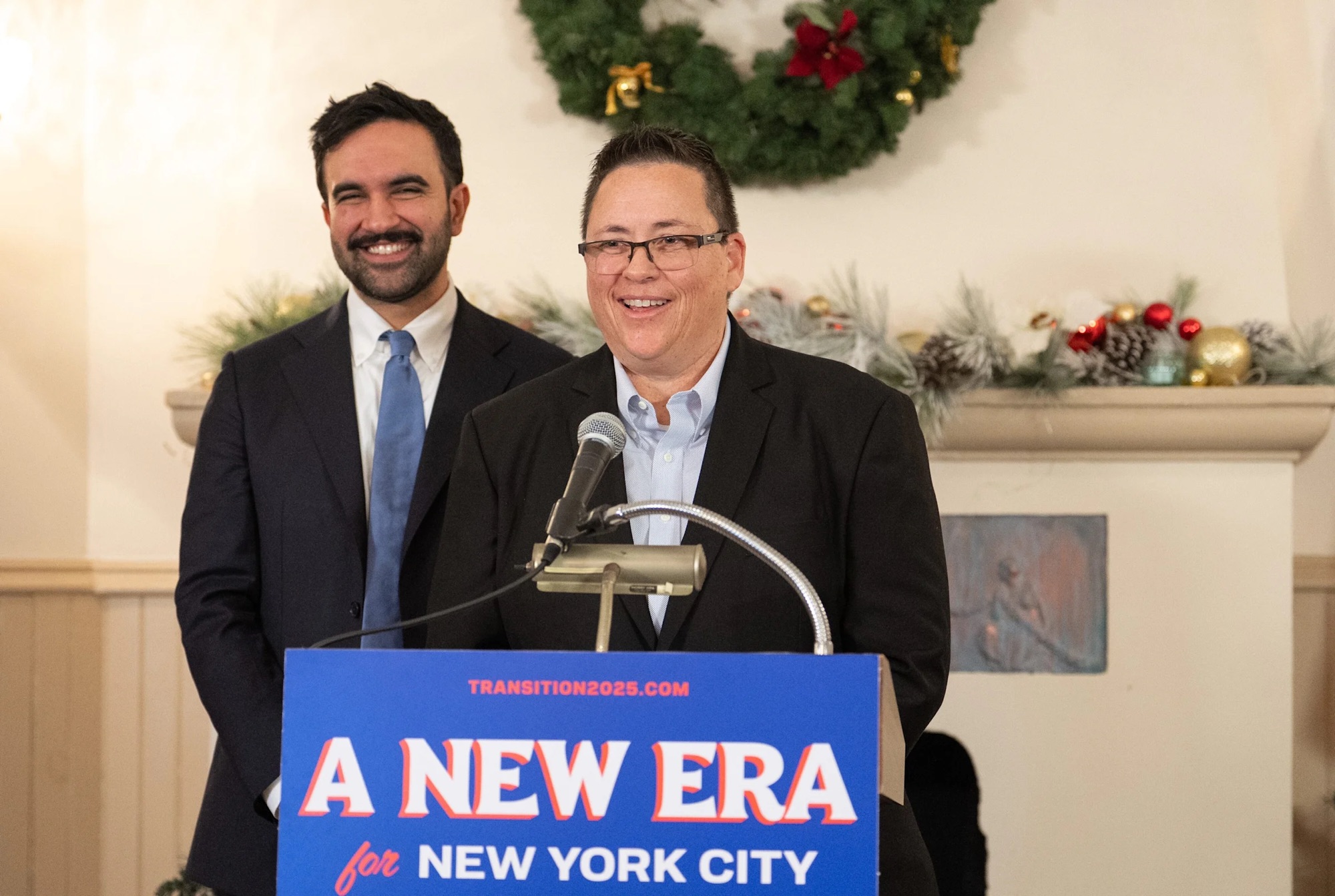
New York City Mayor-Elect Mamdani names first openly gay FDNY Commissioner.
The modern fixation on appointing “the first X to hold position Y” is not accidental language. It is narrative framing, and like all framing, it shapes how audiences feel before they have time to think.
This isn’t about opposing any specific political appointment, rather it’s about the increasing use of certain language to justify the appointment and artificially soften the public.
The word “first” carries three implicit messages:
History was unjust. This appointment corrects that injustice. Questioning the appointment risks appearing opposed to progress.
None of these claims are argued explicitly. They are smuggled in emotionally.
That is the hallmark of psychological operations—not persuasion through evidence, but compliance through social pressure.
How This Framing Softens the Public
When media leads with identity-based novelty rather than qualifications, several things happen simultaneously:
1. Merit Becomes Secondary by Design
The audience is primed to evaluate the appointment as a symbolic victory, not a professional selection. Competence becomes assumed—or irrelevant.
This doesn’t elevate the appointee.
It shields the process from scrutiny.
2. Criticism Is Pre-emptively Neutralized
If the headline centers on “first,” then any later critique can be reframed as:
“backlash” “resistance” “threat to progress”
The discussion is no longer about performance or suitability—it’s about moral alignment.
3. Identity Is Turned into Credential
Over time, repetition conditions the public to associate representation with qualification. That’s not progress—it’s a category error.
Merit is measurable.
Identity is not.
Conflating the two erodes trust in institutions because outcomes no longer appear earned—they appear curated.
Why This Actually Harms the Individual Being Appointed
This is the most overlooked consequence.
When someone is introduced primarily as “the first ___,” it:
*Reduces a complex human being to a demographic milestone
*Invites suspicion about how they were selected
*Places symbolic expectations on them that no human can fulfill
Ironically, the framing meant to “uplift” undermines legitimacy before the person even begins the job.
True respect comes from competence demonstrated, not identity announced.
This Is Not About Denying History
A critical distinction must be made:
Acknowledging historical barriers ≠ institutionalizing identity as justification.
Societies can:
*Address access issues
*Remove discriminatory barriers *Expand opportunity pipelines
Without turning appointments into moral theater.
Once symbolism replaces standards, institutions stop being engines of excellence and become stages for narrative performance.
Why Media Keeps Doing This
Because it works.
It generates instant emotional payoff, It simplifies complex decisions into moral stories, It divides audiences into “supporters of progress” and “obstacles”
Most importantly:
It replaces accountability with optics.
An appointee framed as “historic” is harder to question—and that serves power far more than it serves the public.
The Core Insight
This isn’t about who the person is.
It’s about what the language is doing to you.
When the word “first” appears in political or institutional coverage, ask yourself:
“What discussion is this headline trying to prevent?”
That question alone dissolves the spell.
Leave a Reply